@Tokyo · Roundtable on Governance
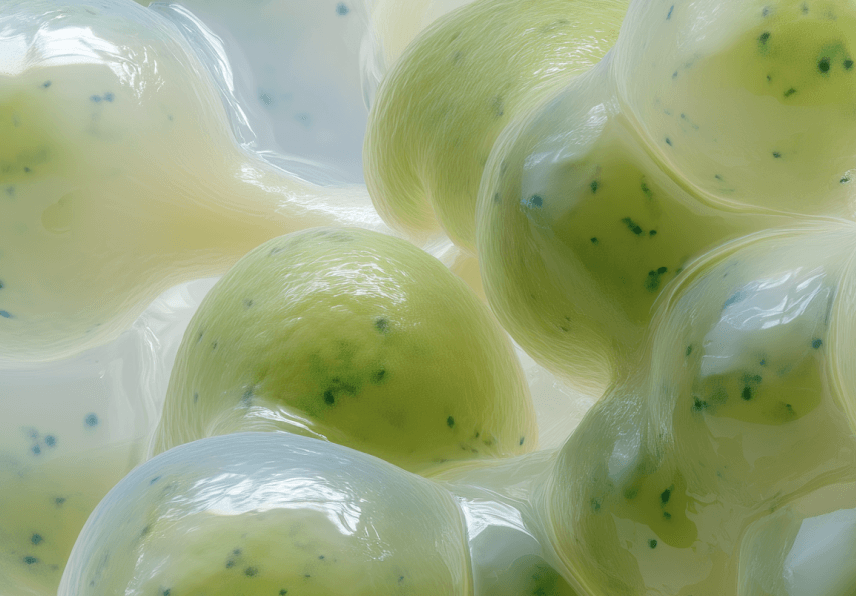
Intermediary institutions: translating between high culture and community life.
Between high culture and the wider community there is often a distance: of language, of threshold, of who feels entitled to enter. Some places — ones we don't always recognise as cultural in the ordinary sense — act as intermediaries and narrow that distance: they sit at the point of passage and put back into everyday language what elsewhere stays closed within a cultivated one. They aren't made for this, yet this is where they end up working, taking in even those usually left outside culture.
The Japanese node, hosted at Untitled Space in Tokyo, takes these thresholds as its subject. Its reference points are the kinds of places never called cultural that carry culture anyway: a public bath, a neighbourhood café where people still gather, the corner shop that holds a street together. Placing art in them raises a question the field tends to sidestep: what happens to curatorial authority and quality when the work is made with a community rather than merely shown to one? Community involvement is easily suspected of softening rigour — welcomed as socially generous, quietly filed as artistically minor. Yet the reach of such initiatives may depend precisely on how demandingly they are conceived, and on how clearly they name the community they address. Which is the prior question: what "community" means when culture enters these places — whom it includes, where it ends, how you enter it from outside. Because if culture is there to move people — to help them live more creatively and more consciously — then the encounter has to be tuned to that: opening the doors is not enough; we have to ask why we do what we do, for whom, and with whom.
Moderator
Educator, Author, Researcher
Christian Dimmer
Christian Dimmer is a Germany-born educator, author, researcher, and transition design practitioner who has been based in Tokyo for 25 years. As an Associate Professor of Transition Design & Urban Studies at Waseda University, he explores how urban systems, design practices, and public spaces can act as catalysts for positive socio-ecological transformation.

Katsuhito Okubo
Public bath and bookstore owner
In 2019, he took over the family business, the public bathhouse “Denki-yu,” and aims to realize a “society with the least possible unhappiness” at the local level through the public bathhouse. In 2025, he opened the bookstore “kamos” as a place to foster an atmosphere that reflects “the difficulty of living together.”
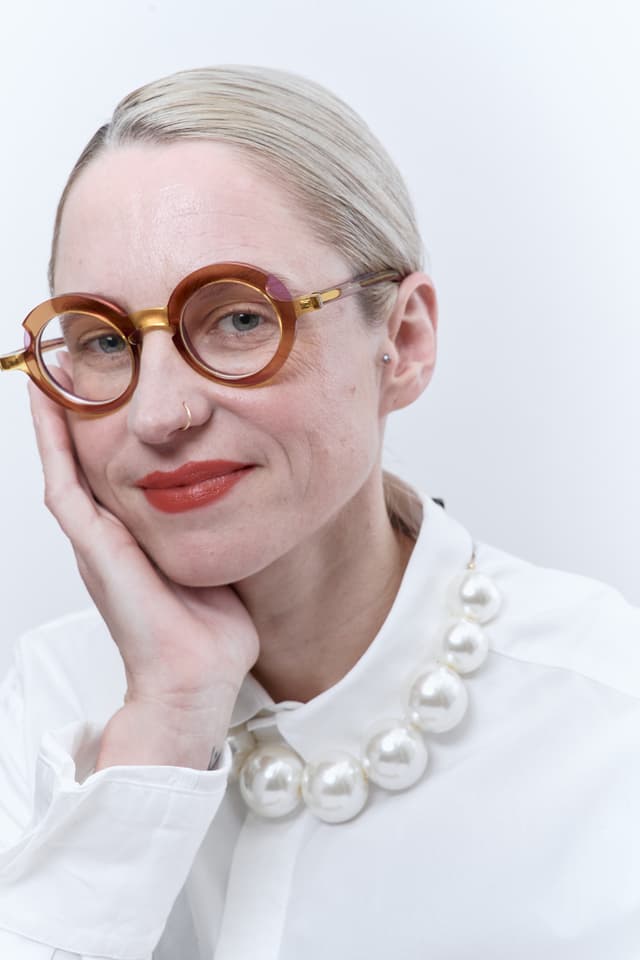
Fanny Fontaine
Art Curator
Fanny Fontaine is a Doctor in Comparative Literature and writer, translator. As a critic, she has been writing on contemporary artists in Tokyo.

Tengyo Kura
Vagabond greeter and culture diver
Tengyo Kura is a social vagabond currently and temporarily based in Kyojima, Sumida, Tokyo. Through projects such as Sumida Mukojima EXPO and activities at the 100-year-old Barber Araki, he creates spaces for cultural exchange, using art, storytelling, and coffee to connect people and cultivate new forms of community with oshaberi (friendly conversations).

Cléo Verstrepen
Art curator and researcher
Cléo Verstrepen is an independent curator and researcher, holding a PhD in art from Tokyo University of the Arts.
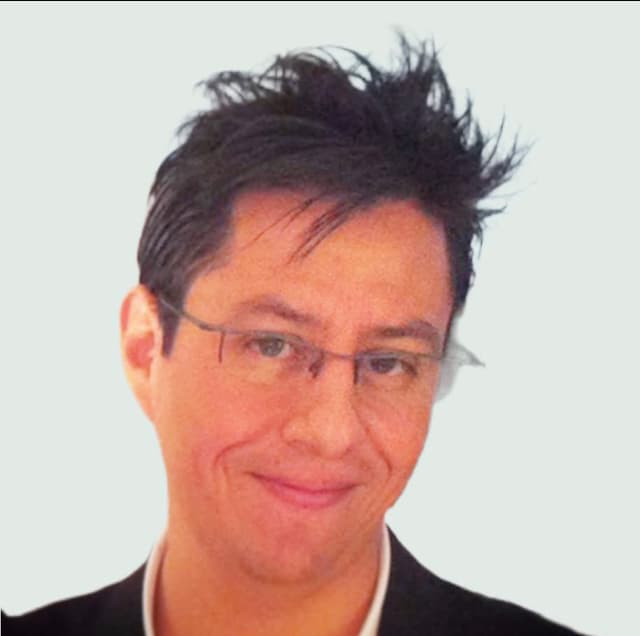
Rafael A. Balboa
Architect
Rafael A. Balboa is an architect (PhD) who works and resides in Kyojima, where he has been actively involved in the neighborhood over time.
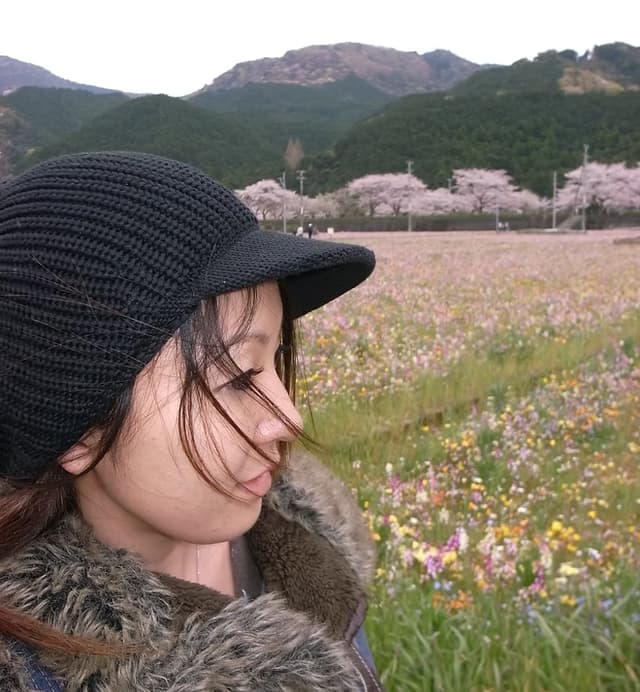
Manami Okazaki
Author and journalist
Manami Okazaki is an author and journalist. She has worked across the globe, lived in several regions and travelled to over 50 countries but now mostly focuses on Japan. She has produced 12 books (art/ photography coffee-table tomes/ visual culture collectibles) on Japanese culture, art, crafts and fashion, which have been widely acclaimed by international media. She specializes in folk culture, subcultures, crafts, popular culture, regional identity and branding, iconography, and multispecies relationships. Her long-term projects are represented in her books.
See Also
2025 | International Forum on the Sustainability of Culture
The Forum is a global initiative dedicated to rethinking the role of cultural institutions in building sustainable futures.