@Shenzhen · Roundtable on Governance

Hybrid institutions: where the cultural space is also "home"
In many contemporary cities, the ways in which communities form and shared resources are established and made available reflect particular conditions shaped by contemporary life: population mobility takes millions of people far from their hometowns; a "compressed modernity" concentrates within a single generation social transformations that elsewhere might have unfolded over a century; and intense working rhythms continually encroach on personal time and private life.
When "home" is elsewhere, a sense of belonging needs to be built anew in the places where people arrive.
Shenzhen is perhaps one of the clearest examples of this phenomenon. From its beginnings as a border city, it has grown in just over four decades into a metropolis of nearly 18 million people, with population growth driven almost entirely by migration. It also has one of China's youngest populations and an exceptionally high proportion of permanent residents without local household registration. People come here and increasingly choose to stay, marry, have children, raise them and send them to school here.
Moderator
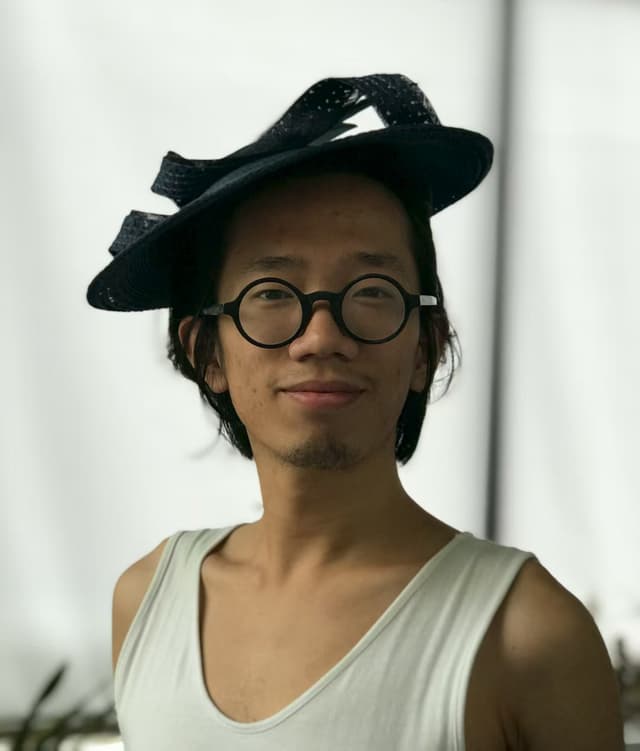
Artist and member of 706 Youth Space
Luo Sen (Lawson)
Advocate of shared-living practices, researcher and member of the 706 community

Cheng Ran
video artist and the co-founder of MARTIN GOYA BUSINESS
Cheng Ran, born in Inner Mongolia and currently based in Hangzhou, is a video artist and the co-founder of the artist-run space MARTIN GOYA BUSINESS. He has held a solo exhibition at the New Museum in New York, and his works have been exhibited or screened at institutions including the Sydney Opera House, Palais de Tokyo in Paris, the International Short Film Festival Oberhausen, and the Istanbul Biennial.
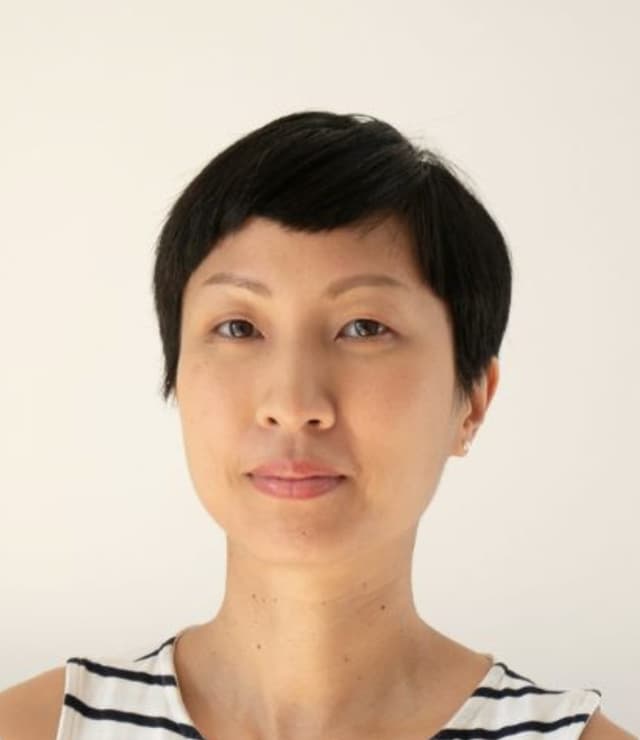
Ashley Lee Wong
Scholar and Co-Founder of MetaObjects
Ashley Lee Wong, PhD, is an Assistant Professor of Cultural Studies and Associate Director of the MA Cultural Management programme at The Chinese University of Hong Kong, and she is Co-Founder and Artistic Director of MetaObjects.

Jia Rujun
Researcher on Cooperative Housing and Urban Sustainability Strategies; Architect and Urban Designer; Principal Author of More Than Housing: A Century of Non-Profit Housing Development in Zurich.
Jia Rujun holds a Master’s degree in Architecture from ETH Zurich and is currently a PhD candidate at the Faculty of Architecture, The University of Hong Kong. Her long-term research focuses on the institutional frameworks and practices of cooperative housing in China and internationally.

Tang Guanhua
Founder of the China Self-Sufficiency Lab, initiator of several consensus-community experiments
Co-founder of AnotherLand, Director of the China Self-Sufficiency Lab, initiator of the Chi’an Consensus Community Experiment and the Southern Life Consensus Community Experiment, and founder of the United Reborn Project.
See Also

2025 | International Forum on the Sustainability of Culture
The Forum is a global initiative dedicated to rethinking the role of cultural institutions in building sustainable futures.